Carbon Farming Awareness Hub (CarboFarmHub)

Climate change is affecting the entire planet with clear risks of irrecoverable damages for the environment and human life.There is an increased awareness that this phenomenon is a global one, requiring flagship initiatives and a commonintervention framework.

The 2019 events, namely the protests of the young population across Europe, and environmentalchanges and cataclysms at the beginning of 2020, forced us to rethink the way we currently consume and produce, basedon the old-fashioned economical approach “take, make, and dispose of” and the linear economy paradigm.

In 2020, theEuropean Commission adopted a challenging overall strategy to boost the green transition promoting sustainable economicgrowth and generating new jobs. The pillars of this ambitious strategy are the Green Deal and the related Farm2Forkstrategy, along with the new Circular economy plan, and from December 2021, the new “Carbon Farming Initiative”. In this scenario, the primary sector can play the role of a driver of innovation and an engine towards the green transition.

Carbonfarming refers to farm management practices that aim to deliver climate mitigation in agriculture. This involves themanagement of both land and livestock, all pools of carbon in soils, materials and vegetation plus fluxes of carbon dioxide(CO2), methane (CH4) and nitrous oxide (N2O). According to the 2021’s Eurobarometer (513), one to five european citizens consider the carbon footprint of their foodpurchases and sometimes adapt their shopping accordingly, showing the increasing interest of consumers for carbonneutral food products.

Carbon Farming Awareness Hub (CarboFarmHub) project aims at creating a network of awarenesshubs located in the 4 partner countries (GR, IT, ES, PT), in order to join forces for answering to the common and crucialneed of both increasing the awareness and skills especially of young citizens and farmers in order to be ready to face thenew challenges that will rise from the combined request for sustainable food systems and the need to fight food insecuritycaused by events such as the war in Ukraine. Referring to the common needs at the core of the proposal, it is worthconsidering that all countries involved have been implementing a strong policy supporting the transition to organicproduction systems. Strictly referring to the main objective of the Farm2Fork strategy of reaching by 2030 the 25% of totalland farmed organically, Italy, Spain, Portugal and Greece are the leading countries in Europe with the largest organicagricultural areas: Italy (15.2%), Spain (9.7%), Portugal (8.2%) and Greece (8.7%).

The main objectives and tangible results of CarboFarmHub are:

  • Increase awareness of youth and relevant stakeholders in relation to the European strategies concerning the greentransition and climate action. A wide set of outreach initiatives both onsite and online will be implemented in all partnercountries and at international level, under the framework of the created CarboFarmHub. The Hub will work as a point ofreference and accelerator in the promotion of sustainable ways of producing and new sustainable business models tosupport the green transition at European level.
  • Valorize the role of the primary sector, specifically farming in reducing environmental and social impacts. Thanks to thedevelopment and piloting of the Hub, an expected number of 600 young people, of at least 350 stakeholders (publicadministrators, policy makers, farmers, BSOs, youth associations, VET providers, universities, citizens), will be involved inthe so-called Global Framework of initiatives, along with at least 100 farmers interested in conversion processes and in theemerging European carbon market.
  • The analysis of the current EU climate policy related to carbon farming, carbon farming costs and barriers, carbon farmingpayment types will be included in the policy brief (WP3) that will be produced. It will be collecting comments, ideas,feedback of young and stakeholders after their participation in the awareness raising initiative that can support policymakers in the design of new policies and the development of measures boosting organic and carbon farming.

Global Framework of Initiatives:

The framework of initiatives aims at providing learning opportunities and designed tailored actions to youngsters to increase their awareness of emerging issues such as green transition and carbon farming with specific reference to boost eco-innovation in the agrifood sector. It includes both online and onsite training and engagement initiatives.

Erasmus Days

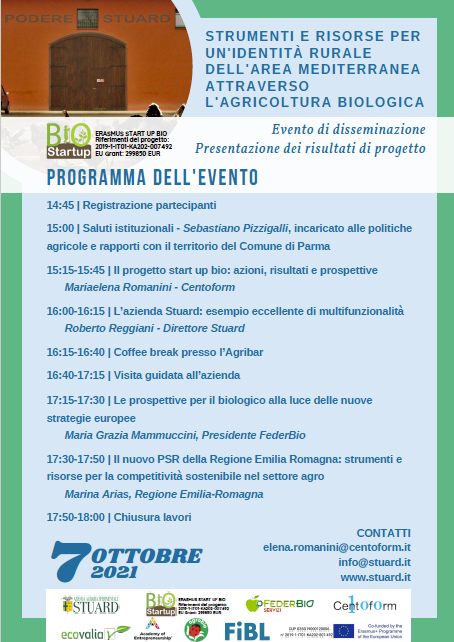
Evento di disseminazione Presentazione dei risultati di progetto

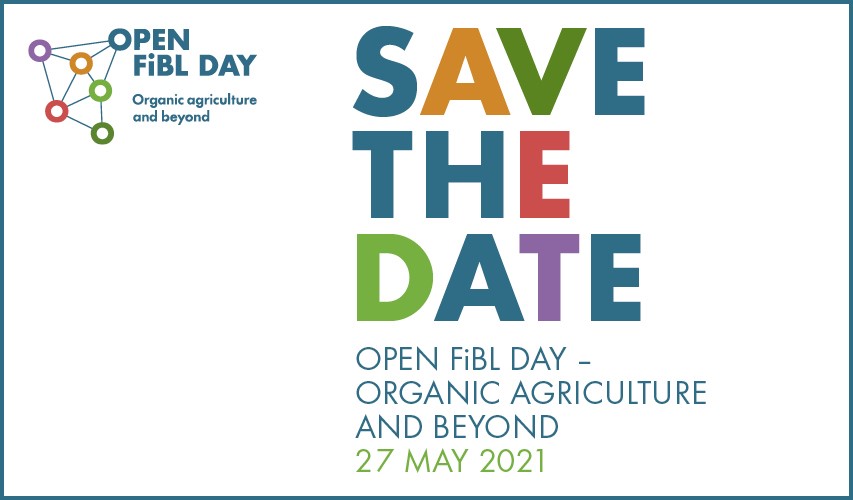
OPEN FiBL DAY

We look forward to welcoming you on May 27, 2021 to the first digital
OPEN FiBL DAY.

Join AER’s webinars on revitalising rural regions next week!

Dear AER Members and Friends,

There are so many benefits to living in rural areas – clean air, affordable rent, and friendly neighbours 🐄

Yet rural regions across Europe struggle to provide opportunities for young people, leading to brain drain and economic stagnation. How can we reverse this trend and revitalise these communities? 📈

The AER is delighted to invite you to our Skillnet Webinars next week…

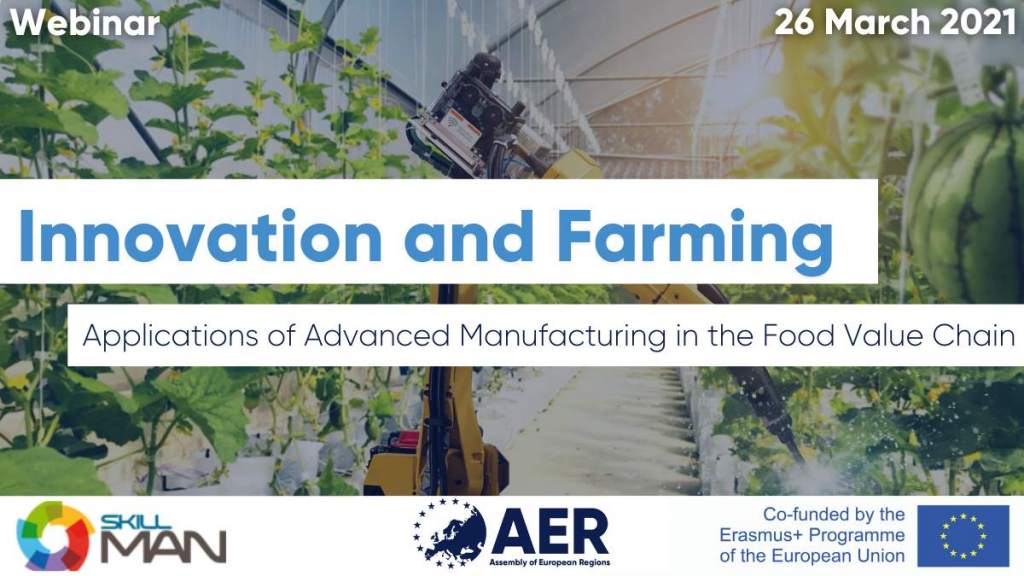
Agriculture and farming are the lifeblood of many rural communities, and farmers are key players in helping us fight climate change, protect biodiversity, and feed our planet. At the same time, moving towards more sustainable food value chains is costly for farmers. How can we balance this need for change while making sure our farmers stay competitive?

Advanced Manufacturing techniques and digital tools can help overcome these challenges. Join us next Friday, where we will bring together experts and share ideas from regions on how new technology and vocational skills can revolutionise the agri-food sector. Check out the agenda here:

  • 10.00-10.05 – Housekeeping rules, quick presentation on Skillnet, Skillman Team
  • 10.05-10.10 – Opening remarks and introduction to the webinar, Cornelia Carmen Madaras, Advisor at the Foreign Affairs Office of the Alba County Council
  • 10.10-10.20 – Applications of digital technologies in the agriculture sector, Miguel de Porras, Director at the Research Institute of Organic Agriculture FIBL
  • 10.20-10.30 – Building innovation in the agri-food sector through EU projects, George Beers, Horticultural Engineer, Wageningen University and Research
  • 10.30-10.40, Regional practice from Vojvodina, Mladen Petres, Assistant Provincial Secretary of Agriculture, Water Management and Forestry, Province of Vojvodina
  • 10.40-10.55 – Panel discussion and Q&A session
  • 10.55-11.00 – Closing remarks

Innovation is key to create the jobs that will sustain our rural regions and reverse brain drain. But with the bulk of economic activity confined to cities, how can we encourage innovation into our smaller towns and villages?

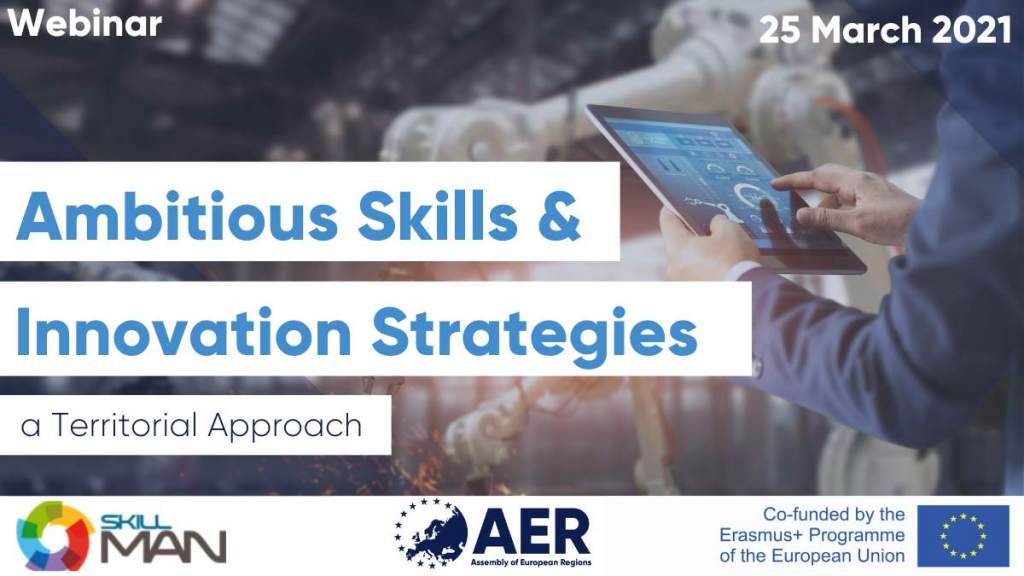
Our webinar next Thursday is about sharing strategies to boost skills and innovation in rural areas. In particular, we will explore how Technical and Vocational Education and Training (TVET) can be a catalyst for job creation, share best practices from rural regions, and provide insights on EU funding opportunities to support rural development. Check out the agenda here:

  • 10.00-10.05 – Housekeeping rules, quick presentation on Skillnet, Valentina De Vico, Communication Manager, Skillman Team
  • 10:05-10:10 – Opening remarks and introductions, Johanna Pacevicius, Policy and Knowledge Transfer Coordinator, Assembly of European Regions
  • 10.10-10.20 – Available EU funding and incentives, Agnese Pantaloni, EU Projects Coordinator, Assembly of European Regions
  • 10:20-10:35 – Peer reviews and knowledge exchanges to boost innovation, Elena Ferrario, Thematic Manager, and Katharina Krell, Thematic Expert, Policy Learning Platform Interreg Europe
  • 10.35-10.45 – Regional practice from Donegal County, Vinny McGroary, Area Training Manager, Donegal ETB
  • 10.45-10.55 – Panel discussion and Q&A session
  • 10.55-11.00 – Closing remarks

New year, new skills, new partnerships! 🤝

Our series of Skillnet webinars on EU funding opportunities continues through 2021. Mark your calendars* and stay tuned for the next webinars this April:

19 April – Creating Effective Innovation Ecosystems
20 April – Technical and Vocational Education and Training (TVET) and Civic Participation
*Please note dates are subject to change – keep an eye on the AER website and our Partnerships in Focus Hub to get the latest! 🔎

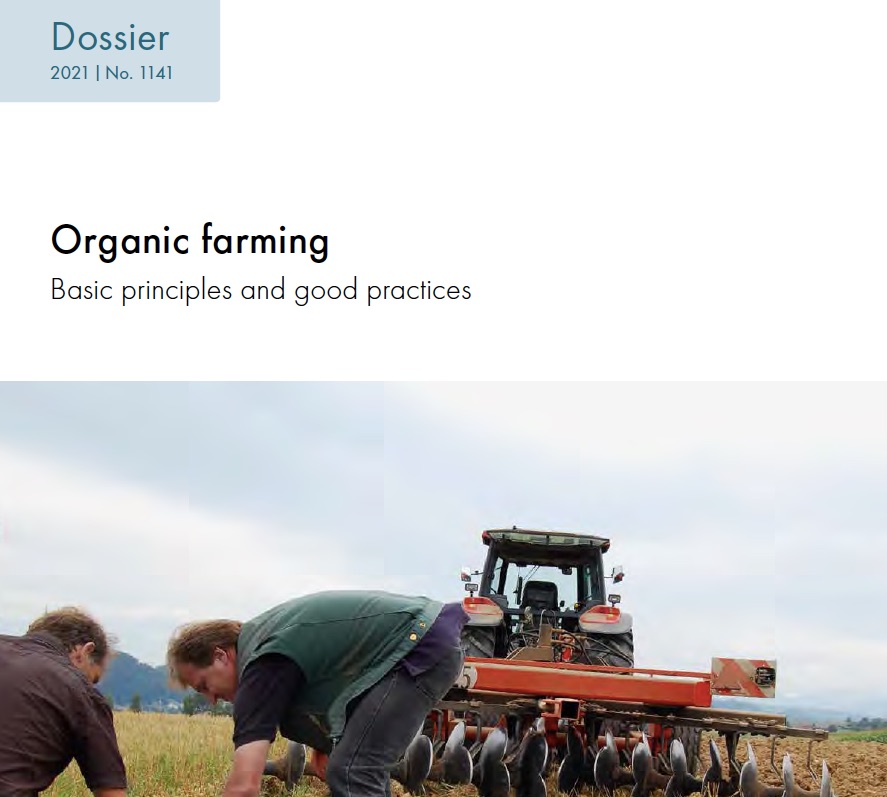
Organic Farmer: Dossier (FIBL)

ORGANIC FARMING
Basic principles and good practices

ONLINE TRAINING SESSION – September 15 (session materials)

The presentations used by the various speakers during the training open to stakeholders on 15 September

Opening Session

Relator: Maria Elena Romanini - CENTOFORM

Digital Transformation of Learning Impact on organic agriculture

Relator: Miguel De Porras - FIBL EUROPE

Session 2 – Best practice examples

AGROBIO

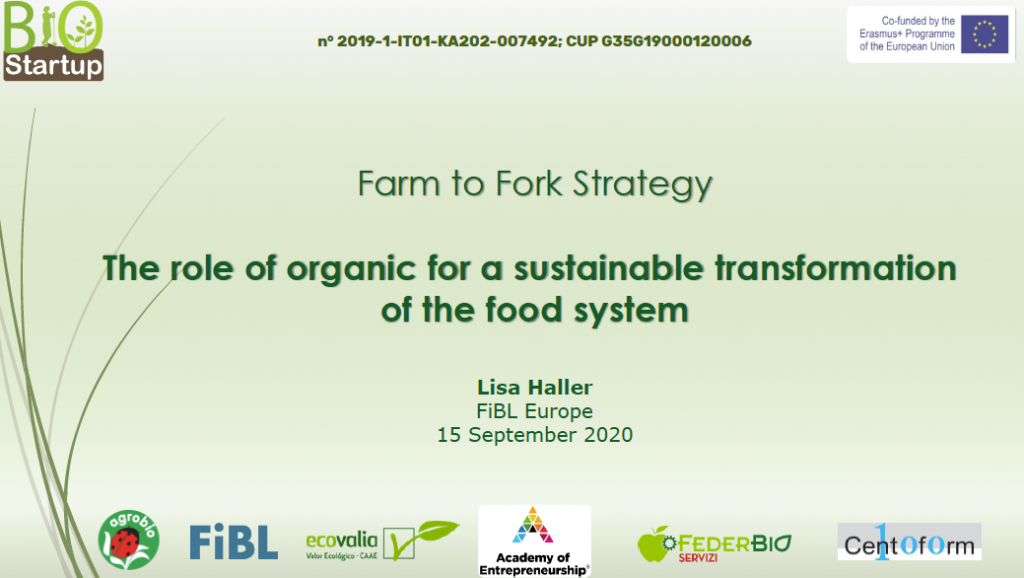
The role of organic for a sustainable transformation of the food system

Relator: Lisa Haller - FIBL EUROPE

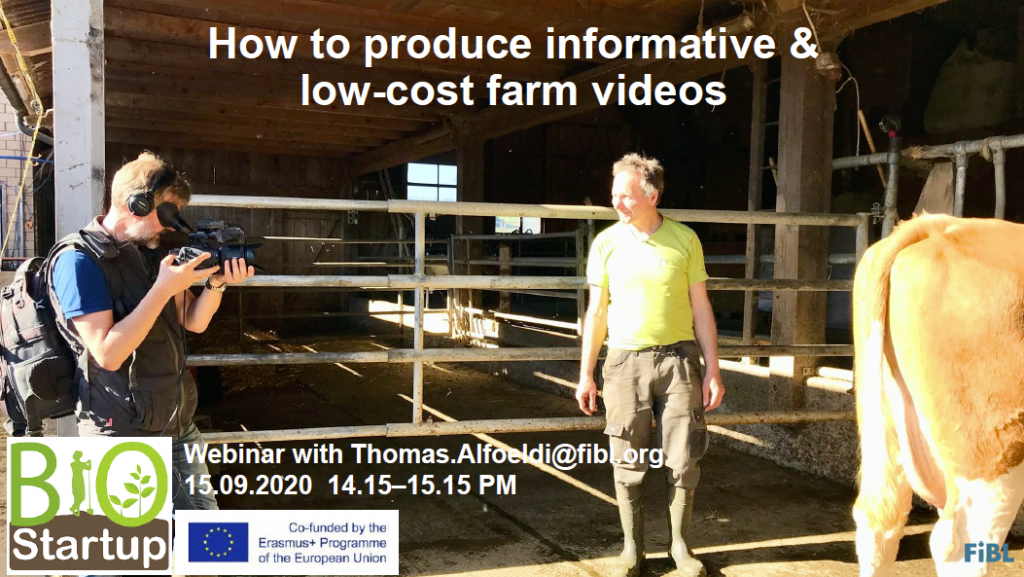
How to produce informative & low cost farm videos

Relator: Thomas Alfoeldi - FIBL EUROPE

GROW YOUR FOOD CAMPAIGN

GROW YOUR FOOD CAMPAIGN

#IGrowYourFood
#LuvOrganic

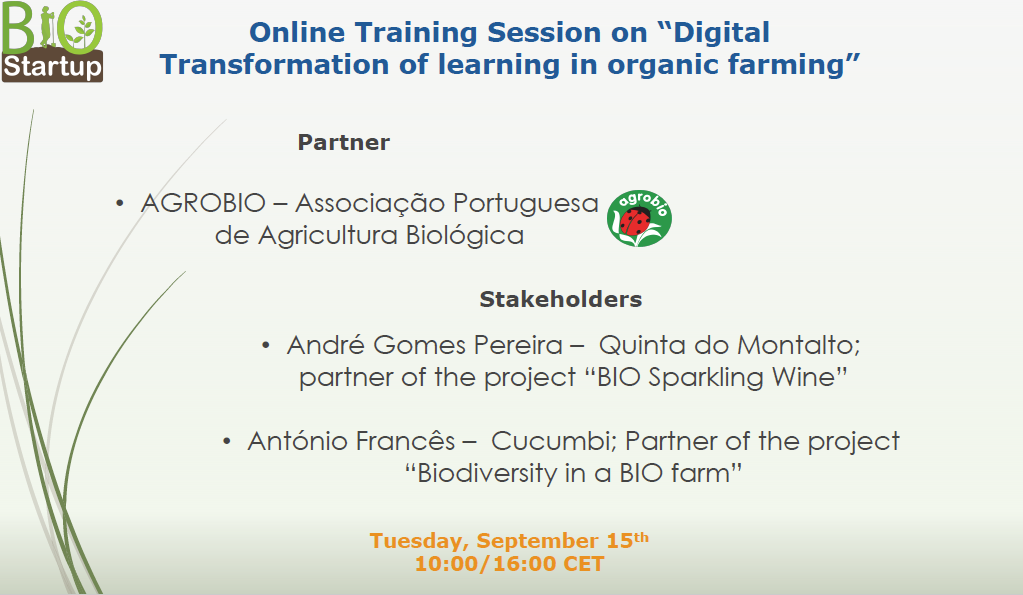
START UP BIO ONLINE TRAINING SESSION

START UP BIO ONLINE TRAINING SESSION on “Digital transformation of learning in organic farming”

The event will:

  • Engage stakeholders in discussions on innovative learning environments for organic farming
  • Reflect on the digitalization of learning as an answer following the COVID crisis
  • Discuss the opportunities and challenges of the Farm to Fork Strategy for the organic sector

Tuesday, September 15 –
10:00/16:00 CET